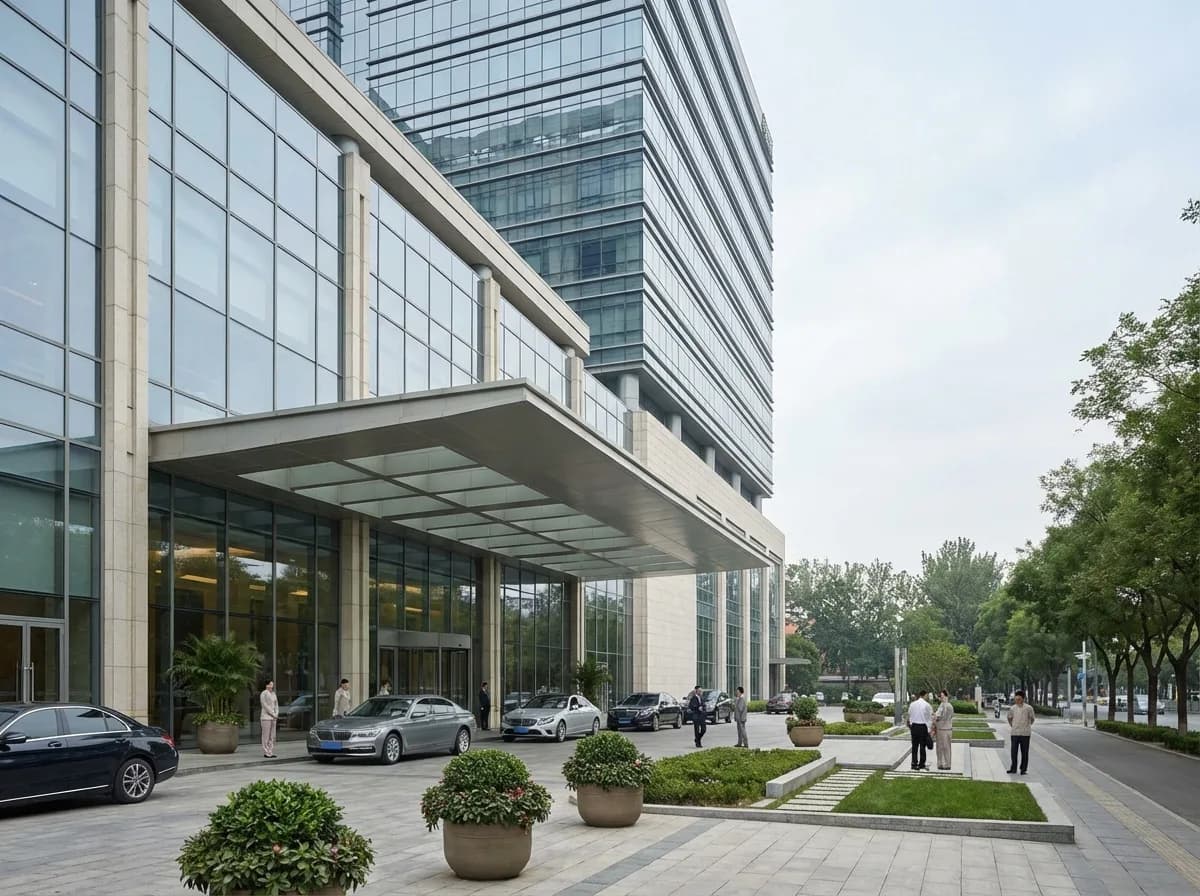
City Overview
Beijing is commonly selected by international patients who prioritize specialist pathways, especially ophthalmology and multidisciplinary evaluation. Compared with many destinations, the key advantage is depth of clinical capability across major service lines. For a coordination service, this allows better matching between case complexity and provider scope, which is crucial when patients have prior medical history that may affect suitability or timeline.
Planning a Beijing medical trip should start with candidacy logic, not only with cost comparison. In higher-complexity pathways, the first decision question is whether the intended intervention is appropriate after diagnostics, not whether the base package appears affordable. Patients who accept this sequence usually experience fewer mid-trip surprises and can make decisions with stronger confidence when physicians recommend adjustments.
Beijing can support fast scheduling in private channels, but patients should still separate appointment wait from treatment duration. A fast appointment does not automatically mean a safe short trip. Some cases require additional measurements, medication adjustments, or staged rechecks that are clinically justified. Good coordination is not about compressing every timeline; it is about preserving clinical safety while avoiding unnecessary idle days.
For LASIK-focused travelers, Beijing often provides strong specialist density and robust diagnostic workflows. The practical planning model is pre-arrival screening, day-one diagnostic confirmation, procedure only when criteria are met, and mandatory early follow-up before return flight. Patients should pre-accept that surgery may be deferred if suitability thresholds are not met. That decision is a safety success, not a failure.
For dental and comprehensive checkup pathways, Beijing remains competitive when quote boundaries are explicit and continuity planning is completed before departure. Cost control comes from itemization and contingency, not from finding the shortest or cheapest headline package. A credible budget always includes treatment, transport, accommodation, follow-up, and a reserve for additional tests if diagnostics reveal new information.
Transport planning in Beijing should account for city scale and traffic variability. Build transfer buffers between hotel, clinic, and airport so appointment punctuality does not depend on optimistic travel assumptions. Where possible, patients should stay close to treatment locations for the first days after intervention. Reducing transfer friction can materially improve comfort and compliance with follow-up timing.
Accommodation choices in Beijing should prioritize practical recovery conditions over tourism convenience. Quiet rooms, stable air quality control, flexible check-in and check-out, and easy elevator access are the features that matter most for post-procedure comfort. If you need a same-day urgent recheck, shorter transit time is consistently more valuable than premium views or leisure amenities.
Cross-border document readiness is another major success factor. Before departure, prepare a concise medical packet including prior diagnostics, medication list, known allergies, and key chronic conditions. This accelerates triage and reduces duplication risk. Patients should also keep emergency contact details and escalation instructions accessible in both phone and offline copy in case connectivity is interrupted.
A common misunderstanding is that postoperative monitoring can be treated as optional in short trips. In practice, early follow-up is often the point where risk is reduced and return travel is cleared. Patients should block this time in advance and avoid non-refundable return tickets that force medical decisions under time pressure. Schedule flexibility is a strategic safety tool, not a luxury.
For compliance and entry topics, always rely on current official guidance and verify assumptions close to departure date. Policy interpretation from third-party social posts can be outdated or incomplete. Use official channels for final checks, then align itinerary files, appointment confirmations, and emergency instructions into one operational packet. This simple discipline prevents many avoidable travel disruptions.
Post-return continuity planning should be discussed before treatment starts. Ask for bilingual summaries where available, including diagnosis, performed interventions, medication guidance, and recommended checkpoints for your local clinician. Good handoff documentation protects patient safety, reduces duplicate explanation burden, and helps local doctors respond quickly if symptoms change after you are back home.
Beijing is a strong choice for patients needing specialist depth and structured care pathways, provided the trip is planned with realistic timing and transparent scope control. The best outcomes come from evidence-based candidacy checks, disciplined logistics, and proactive continuity planning. With those elements in place, patients can pursue high-quality treatment without sacrificing trust or clarity.